
Moving to Vermont: So… What Is Mud Season, Anyway?
So, you’re thinking about moving to Vermont—maybe even settling into Bennington County. You’ve seen the fall foliage, the snowy winters, the postcard-perfect small towns.
But there’s one season people don’t always talk about upfront: mud season.
Before you panic, this isn’t a dealbreaker. It’s just… a thing. And honestly, once you understand it, it becomes part of the charm… as long as you stay off the dirt roads.
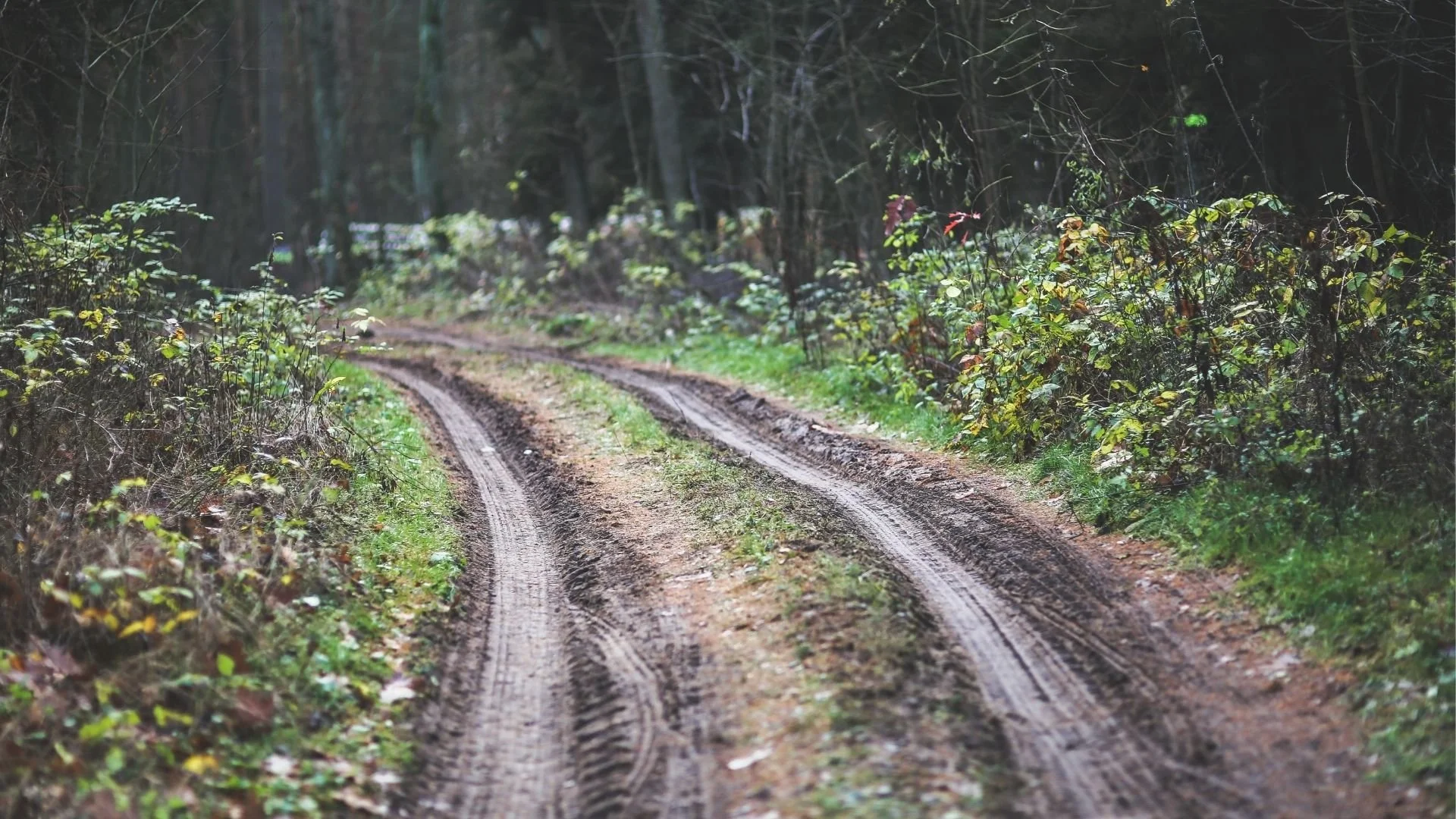
Mud season tire tracks in Southern Vermont
First: What is Mud Season?
Mud season is that in-between stretch—usually late March through April—when winter starts to loosen its grip. Snow melts, the ground thaws, and everything gets a little soft underfoot. So don’t let the previous photo freak you out. That is NOT what 98% of roads look like. BUT some dirt roads look just like that.
Also, by “a little soft,” we mean:
Dirt roads turn into rutted obstacle courses
Your driveway may develop a personality
Your car will never be fully clean
If you’re coming from a city or suburb, this can feel…surprising. But in Vermont, it’s completely normal.
You Are Gonna Need Some Boots…
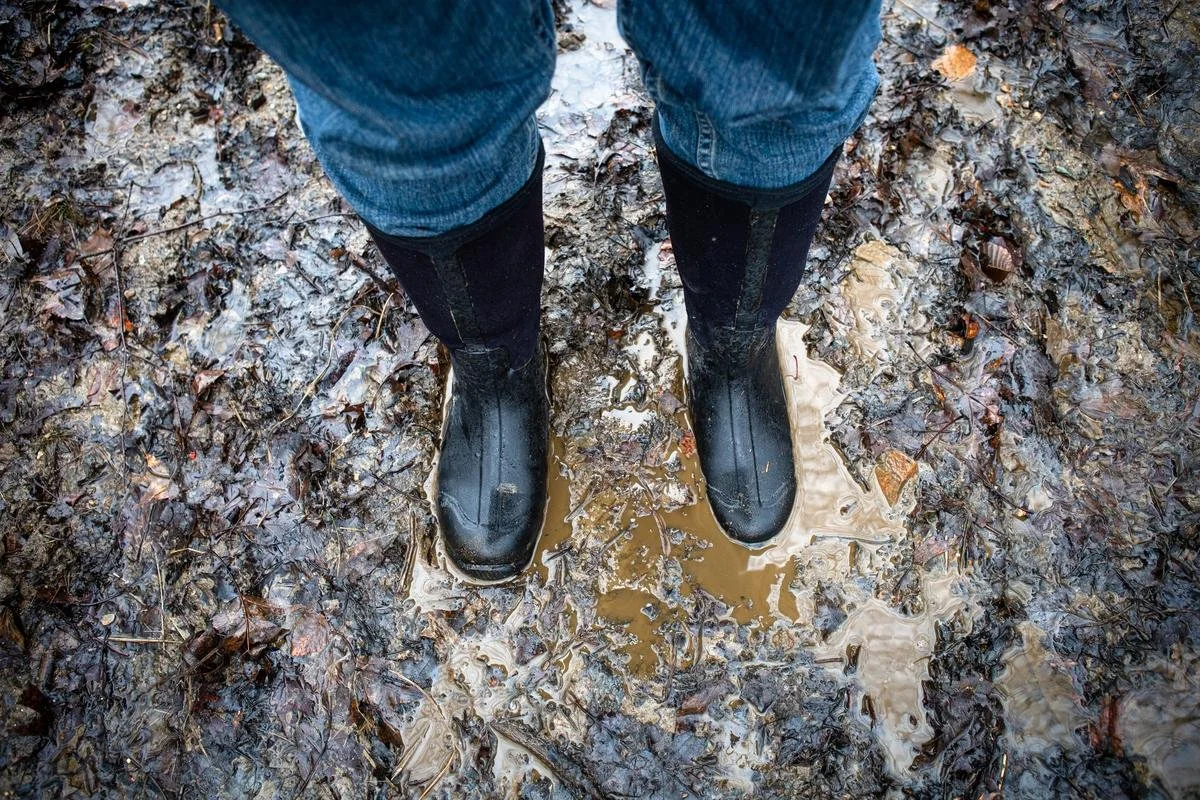
Mud season boots
This is probably the most important practical tip: get good boots.
Not cute “I might step in a puddle” boots—real, waterproof, pull-them-on-without-thinking boots. Most Vermonters have a pair by the door, and you’ll quickly understand why.
Also, don’t get too attached to keeping them clean. They will not be clean during mud season.
Driving Gets…Interesting
If you live on a paved road, you’ll notice mud season but won’t be dramatically affected.
If you live on a dirt road (which some people in Bennington County do), things get more… exciting. Roads can develop deep ruts, soft shoulders, and the occasional “maybe I’ll just stay home today” vibe.
The unspoken rules:
Drive slower than you think you need to
Avoid sudden turns or stops
If it looks questionable, it probably is (I can’t emphasize this enough)
Locals are used to it, and towns work hard to maintain roads—but patience is part of the deal.
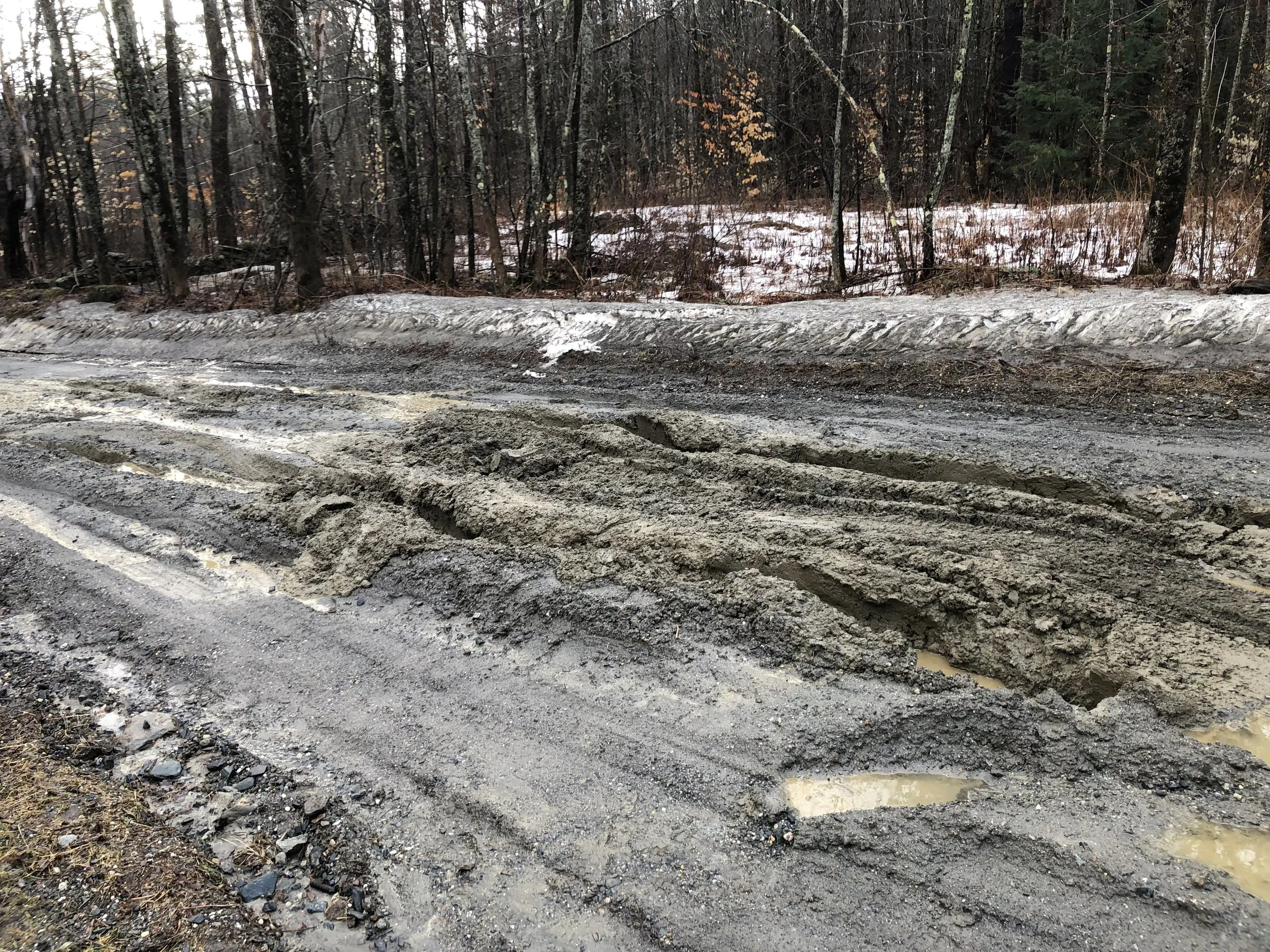
Dirt road ruts during mud season in Southern Vermont
Hiking Isn’t Always a Great Idea
This one surprises people: mud season is actually not prime hiking season.
Trails get soft and easily damaged, so many are best avoided for a few weeks. Instead, people pivot to:
Paved paths
Gravel roads
Wandering through town centers
Low-key scenic drives
It’s a slower, in-between time—not peak adventure season, and that’s okay.
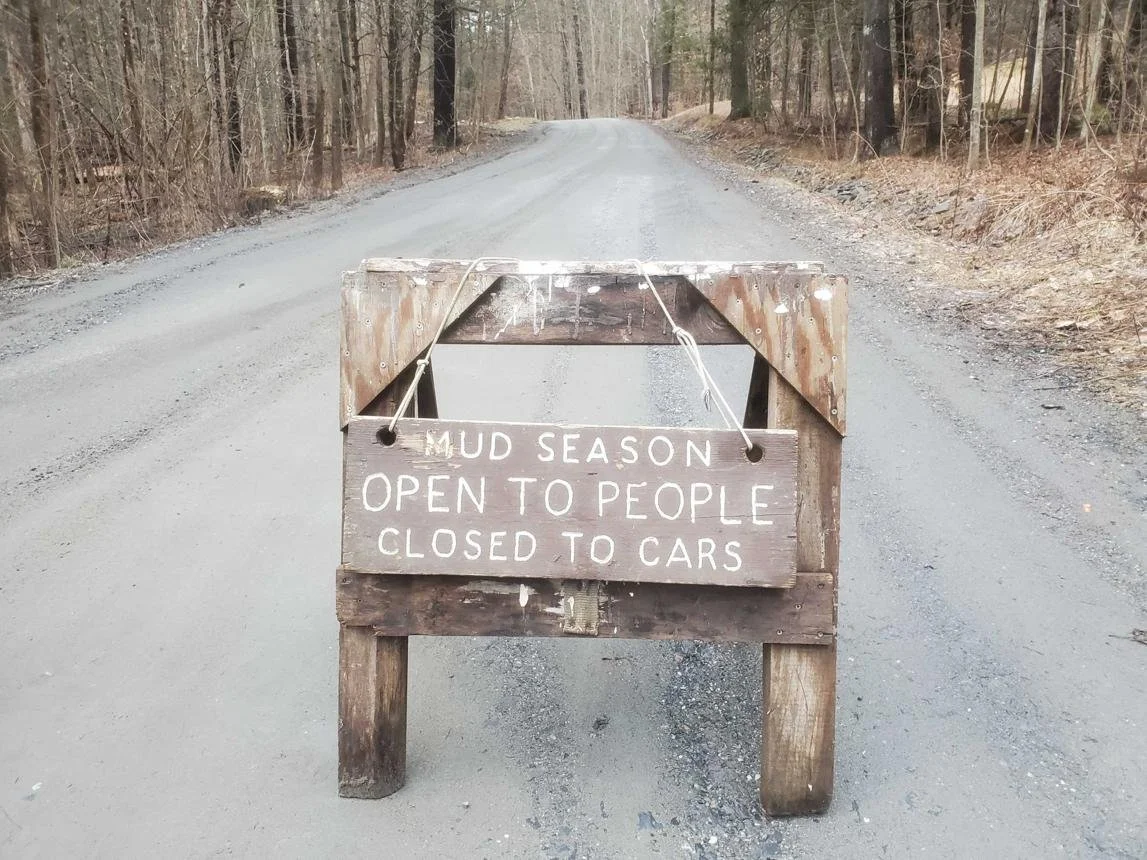
It’s Not Pretty (But It’s Real)
Let’s be honest: this is not Vermont at its most photogenic.
The snow is melting into patchy, gray piles. The ground is brown. Everything looks a little…undecided.
But if you stick with it, you’ll start to notice the shift:
Rivers running rapid
Buds forming on trees
Lichen and mosses growing on surfaces
That one warm day that feels like a preview of summer
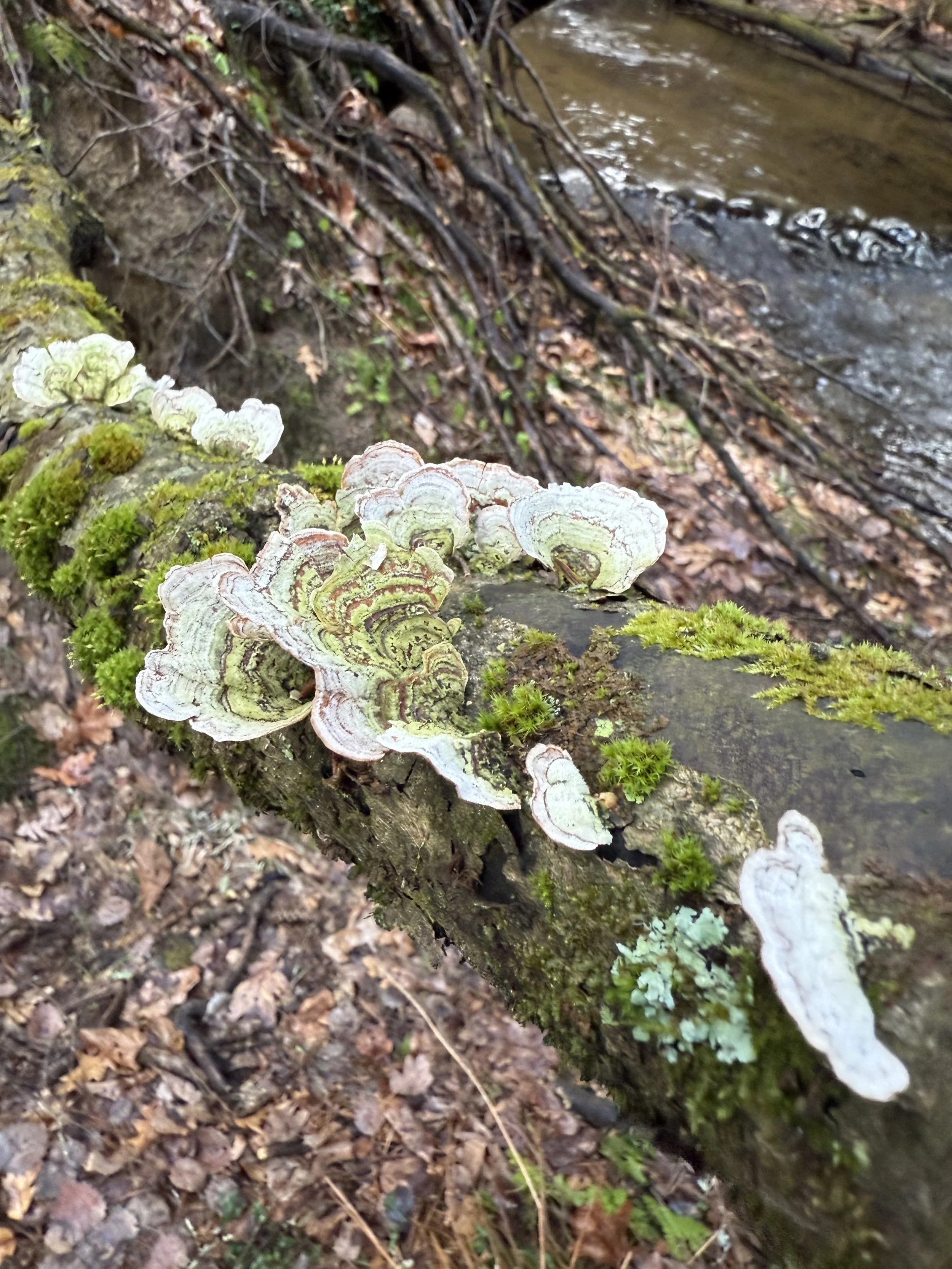
Mushrooms and moss on trees in Southern Vront
Mud season is less about aesthetics and more about transition.
The Real Secret: It Forces You to Slow Down
Here’s the part people don’t always expect—mud season changes your pace.
You make fewer unnecessary trips. You linger a little longer where you are. You accept that not everything needs to happen right now.
And in a place like Vermont, that’s kind of the point.
Mud season might not make the brochure, but if you’re moving to Vermont, it will be part of your life. The good news? It’s temporary, it’s manageable, and it makes everything that comes after—green hills, warm days, festival season—feel that much better.
And when you find yourself automatically reaching for your boots on the way out the door? That’s when you’ll know you’ve adjusted just fine.